Coming Soon
Walking with Jesus : Living Faith for Kids by Johnny Romero
Walking with Jesus is the ultimate 10-chapter devotional guidebook built to help kids aged 7 to 12 navigate modern life with a living faith. By adapting classic biblical parables into contemporary, relatable childhood stories, this book makes deep spiritual lessons easy to understand and apply. It is the perfect tool for parents who want to instill lifelong virtues like grace, patience, and empathy in their children.

Walking with Jesus is a companion book to Marley and the Parables of Jesus. It is a spiritual devotional and personal growth book tailored for children ages 7 to 12.Walking with Jesus translates the fictional stories of Marley and the Parables of Jesus into practical actions for a child's personal and spiritual development.Every chapter within this companion volume is structured around a four-tier framework engineered to captivate modern pre-teens and satisfy the discerning standards of Christian parents, ministry leaders, and educators:- Faith-Based Spiritual Lessons: Deep reflections that anchor a child's identity, teaching them essential concepts like unconditional love, grace, forgiveness, and the power of prayer.- Key Insights for Resilient Growth: Emotional strategies that teach children how to view challenges as valuable opportunities and how their actions and words affect others.- Commitments and Actions for Daily Growth: Simple daily habits that guide young readers toward gratitude, happiness, kindness, and compassion.- Structured Prayers from the Psalms: Child-centered prayers adapted directly from the Book of Psalms to help children articulate their thoughts into foundational expressions of praise, thanksgiving, confession, and request.This book speaks to the modern childhood experience without ever becoming overly preachy. It will help parents cultivate character traits like humility, patience, faith, and mercy within a faith-based framework.Walking with Jesus bridges the gap between deep biblical truth and the real-life struggles of a pre-teen. This interactive guide translates the ancient parables found in Marley and the Parables of Jesus into practical actions for personal growth. By transforming abstract spiritual concepts into simple daily commitments, this book provides children with practical strategies to handle everyday situations with resilience and to establish a personal relationship with God.
This book is for:- Children & Children Gifting- Parents & Grandparents- Homeschoolers & Sunday Schools- Church & Sunday School Directors- Ministry leaders & EducatorsChildren will find a non-preachy, highly practical guide that speaks directly to their daily lives without talking down to them.Parents and Educators will find a resource that cultivates character traits like grace, humility, forgiveness, love, mercy, joy, and compassion, wrapping them securely within a faith-based framework.If you have a child or grandchild aged 8–12, this book was written specifically for them. As parents, grandparents, and educators, we have a beautiful but challenging job: passing down a living, breathing faith to the next generation.As parents, we want to instill lifelong virtues like grace, patience, and empathy in our kids—but finding ways to connect ancient wisdom to modern childhood isn't always easy. That’s exactly why this publication existsI wrote Marley's story because I wanted kids to see what God's grace looks like in real, everyday life—especially when it comes to the life-changing lesson.The focus of this book is adapting classic biblical parables into contemporary childhood stories. It is one thing to teach kids the definition of grace, but it's another thing entirely for them to see it in action.

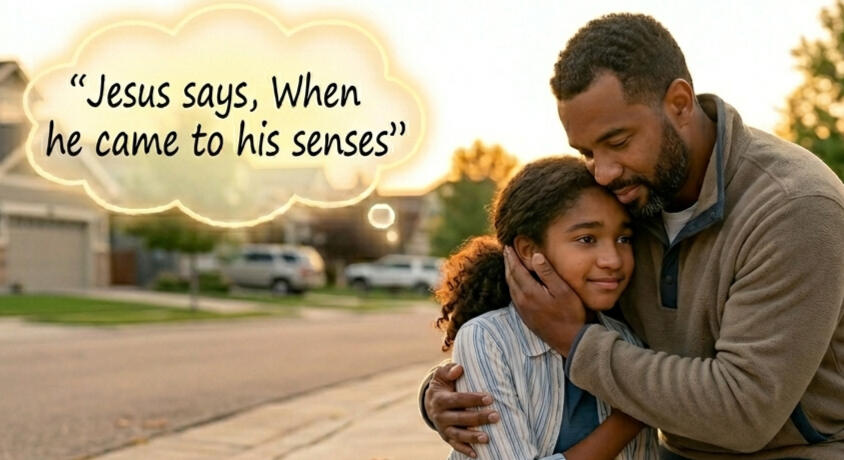


Parables are StoriesJesus utilized the power of parables to communicate profound spiritual truths through the lens of everyday life. By weaving in core principles like love, compassion, justice, and reconciliation into relatable narratives, He was able to reach people of all backgrounds.Using concrete stories to represent abstract ideas not only made Jesus’ message more accessible but also ensured that His teachings were memorable and easy to share. These parables were shared to be more than just simple tales—they were told to provoke deep, personal reflection, challenging listeners to look beyond the surface and discover a transformative way of living.Marley and the Parables of Jesus is written for children, featuring relatable stories and modern-day adventures. The book adapts the parables of Jesus into modern narratives intended to help young readers understand spiritual lessons like the "Fruit of the Spirit."Jesus taught that His words are more than just information—they are "full of the Spirit and life." Instead of filling our kids’ heads with facts, His words have the power to grow something entirely new inside their hearts, leading to true transformation.Marley and the Parables of Jesus aims to bring that power and hope into the hearts of Jesus’ youngest followers.What if the stories Jesus told happened today?Meet Marley—a regular kid with real struggles, big feelings, and a growing faith.She doesn’t always get it right. She makes mistakes. But in the middle of it all, she’s learning what it looks like to live like Jesus in everyday life.From tough choices and friendships to forgiveness and courage, each story brings one of Jesus’ parables into moments kids actually face—at school, at home, and everywhere in between.Kids will see themselves in Marley.
Parents will love the conversations that follow.Doing the right thing isn’t always easy, but it’s always worth it.



Walking with Jesus OverviewChapter 1: Repentance
Jesus' Ministry:
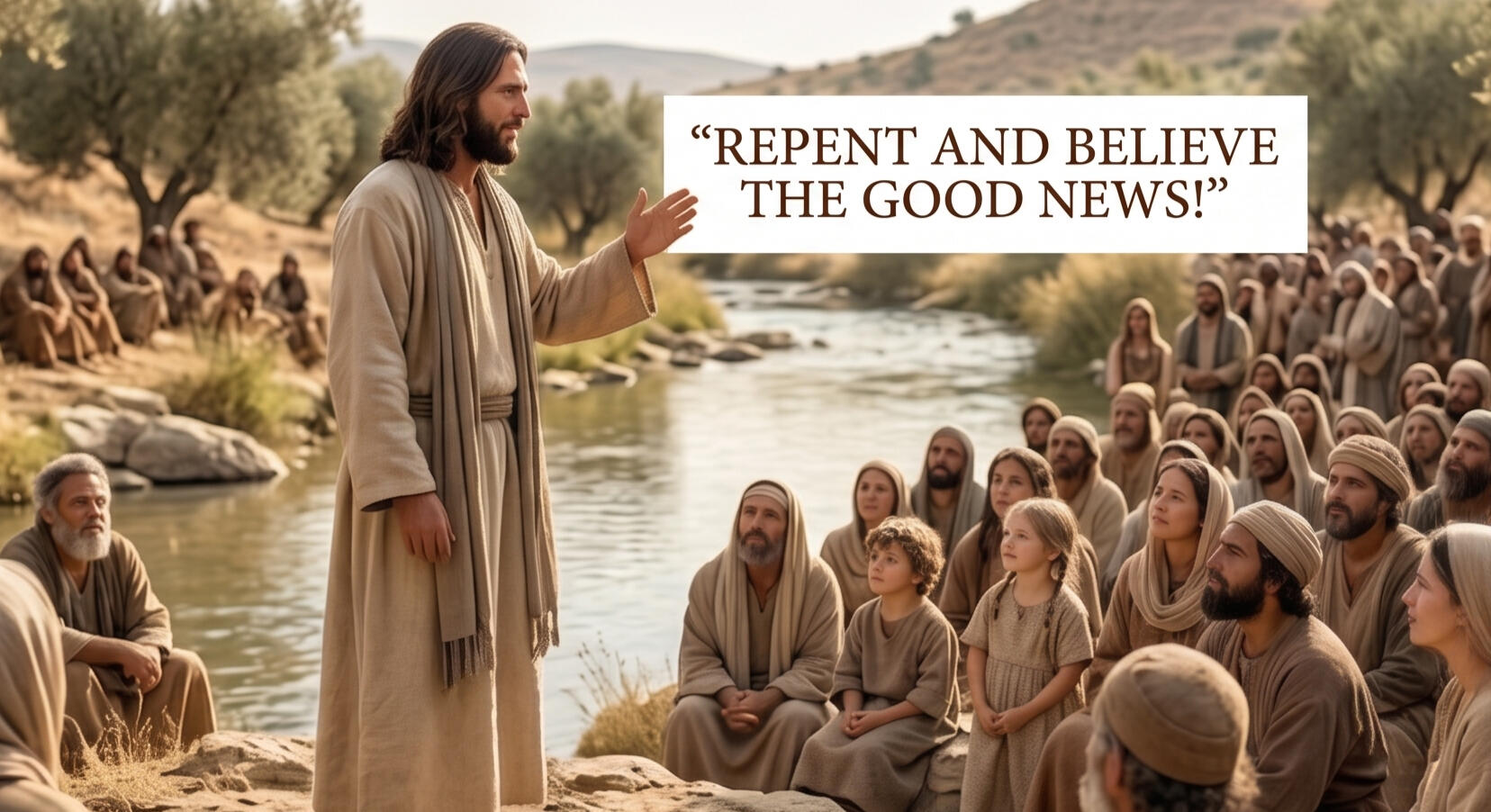
"Repent and believe the good news!" (Mark 1:14-15)
"Happy are those who mourn" (Matthew 5:4)
Companion Story Connection:
Chapter 1 of Marley and the Parables of Jesus (adapted from the Prodigal Son in Luke 15:11-32), where Marley ignores her dad's warnings, crashes her electric scooter, and is met with unconditional forgiveness.
Core Spiritual Lessons:
- Parental and spiritual love is not something that must be earned.
- Do not hide in shame when making a mistake.
- The "lump of guilt" in your chest is a helpful prompt to pause.
Everyday Wisdom for Children:
- How to handle sibling comparison.
- Own mistakes immediately.
Daily Actions:
- Pause for five seconds when
receiving advice from an adult.
Commitments:
- "If I make a mistake, I will tell the truth and say 'I'm sorry' instead of hiding it."
Psalm Prayers:
Psalm 103 (Praising God's patience).
Psalm 34 (Seeking rescue for a broken heart).Chapter 2: Humility
Jesus' Ministry:
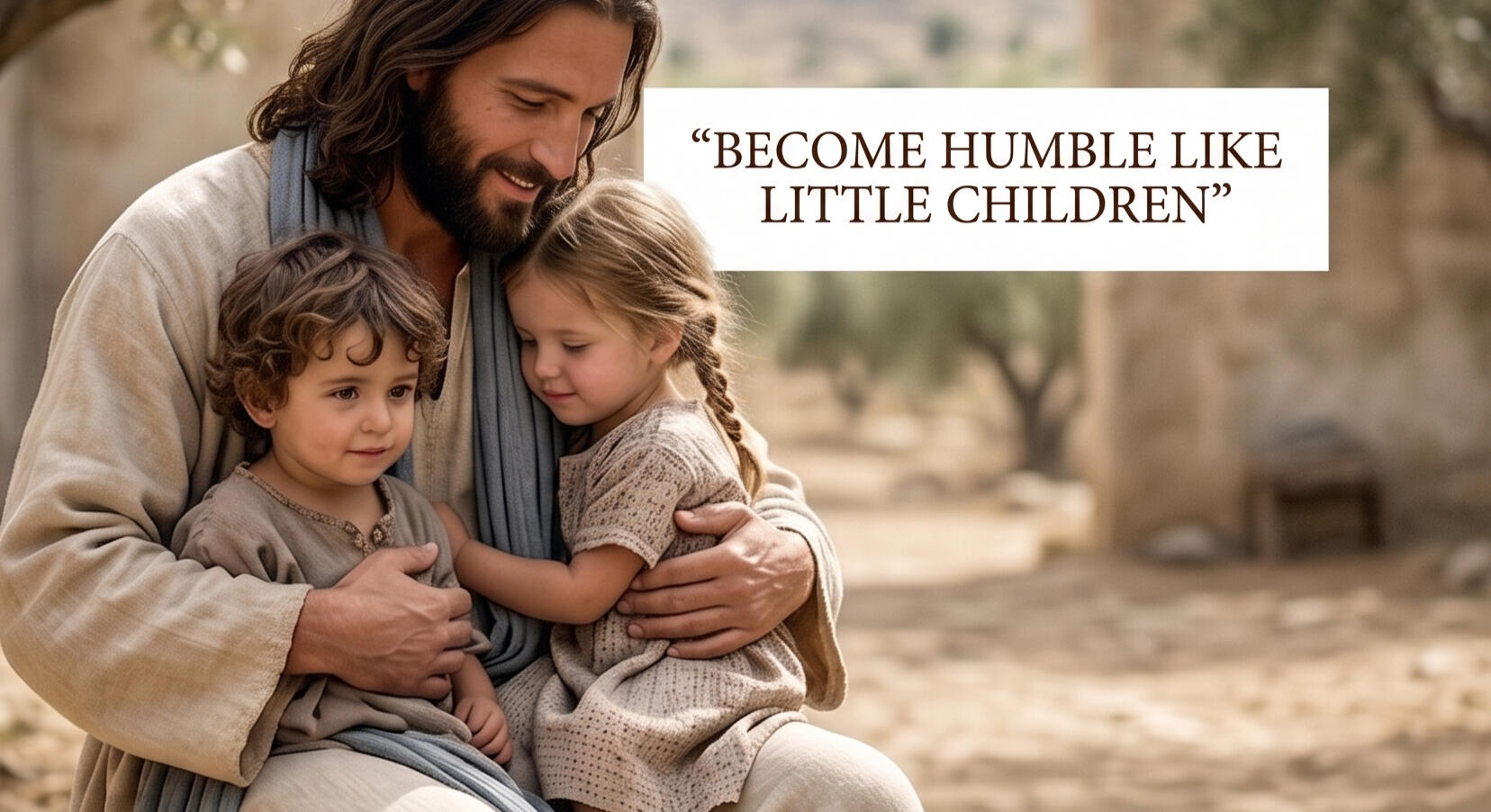
"Become humble like little children" (Matthew 18:1-5)
"Happy are the poor in spirit" (Matthew 5:4)
Companion Story Connection:
Chapter 2 of the storybook (adapted from the Pharisee and the Tax Collector in Luke 18:9-14), contrasting Austin's boastful, performance-based prayer with Marley’s quiet confession.
Core Spiritual Lessons:
- Character is worth far more than gold stars and trophies.
- Pride leaves us feeling cold and isolated.
- You can bring your grumpy moods and flaws to God.
Everyday Wisdom for Children:
- Avoid comparing your strengths to someone else’s weaknesses.
- Celebrate a peer's accomplishments.
Daily Actions:
- Spend five minutes completely away from screens and noise.
Commitments:
- "I will not brag about my accomplishments."
Psalm Prayers:
Psalm 32 (Admitting our limitations).
Psalm 25 (Asking God to guide a young learner).Chapter 3: Patience
Jesus' Ministry:
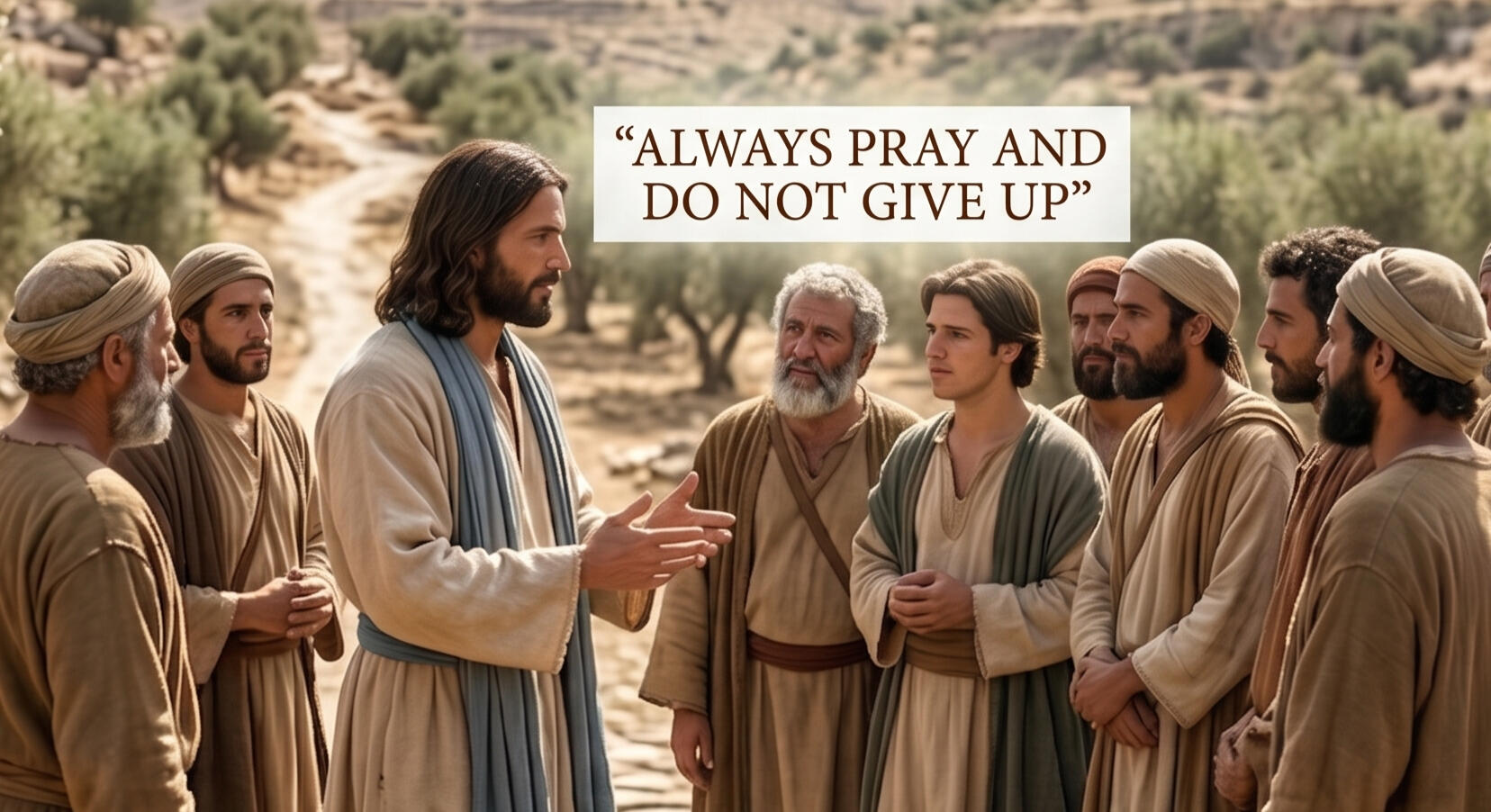
"Always pray and do not give up" (Luke 18:1-8)
"Happy are the meek" (Matthew 5:4)
Companion Story Connection:
Chapter 3 of the storybook (adapted from the Parable of the Weeds in Matthew 13:24-43), where Marley responds to her disruptive classmate, Leo, with steady patience.
Core Spiritual Lessons:
- Cultivate "Good Soil" rather than letting rocky anger take root.
- Take action when seeing a sad or hurting person.
- Quiet actions have slow, invisible roots.
Everyday Wisdom for Children:
- Real growth takes time; be patient when progress isn't immediately visible.
- De-escalate frustration by taking slow, deep breaths.
Daily Actions:
- Do one helpful act for someone completely in secret without seeking praise.
Commitments:
- "I will take a deep breath and let go of small annoyances."
Psalm Prayers:
Psalm 33 (Trusting God's perfect, unhurried plans).
Psalm 145 (Relying on God’s slow-to-anger timing).Chapter 4: Transformation
Jesus' Ministry:
"The Son of Man came to save the lost" (Luke 19:1-10)
"Happy are those who hunger and thirst for righteousness" (Matthew 5:6)
Companion Story Connection:
Chapter 4 of the storybook (adapted from the Wedding Banquet in Matthew 22:1-14), where some children are too busy with chores to attend a royal feast, and Max tries to enter unprepared.
Core Spiritual Lessons:
- Busy schedules and hobbies can keep us from what truly matters.
- Show genuine respect for a gift.
- Show reverence for sacred spaces, ceremonies, and times of prayer.
Everyday Wisdom for Children:
- Avoid laziness and passive participation.
- Be a friend who helps others to get back on track after a mistake.
Daily Actions:
- Identify "small rocks" that divert our focus away from families and studies.
Commitments:
- "I will show respect for my school activities."
Psalm Prayers:
Psalm 143 (Asking God to refresh a tired spirit).
Psalm 6 (Finding healing when heavy feelings arrive).Chapter 5: Trust
Jesus' Ministry:
"Live the Word of God" (Matthew 4:1-11)
"Happy are the pure in heart" (Matthew 5:4)
Companion Story Connection:
Chapter 5 of the storybook (adapted from the Rich Fool in Luke 12:13-21), where Sam's obsession with gadgets and his new Switch 2 is disrupted by a lightning storm.
Core Spiritual Lessons:
- Material possessions can distract us from our souls, our families, and our prayers.
- Game systems, clothes, and toys are not what truly matters in life.
- Shift from a mindset of accumulation to one of active service.
Everyday Wisdom for Children:
- Use quiet time to regain perspective when disappointed by a broken toy or screen.
- Learn to set strict personal boundaries on screen and device time.
Daily Actions:
- Dedicate the very first few minutes of the day to prayer, reading, or family.
Commitments:
- "I will manage my screen time wisely."
Psalm Prayers:
Psalm 27 (Finding bravery and light in confusing times).
Psalm 37 (Trusting God's path instead of worrying about what others have).Chapter 6: Righteousness
Jesus' Ministry:
"Worship in the Spirit and in truth" (John 4:1-41)
"Happy are the peacemakers" (Matthew 5:4)
Companion Story Connection:
Chapter 6 of the storybook (adapted from the Sheep and the Goats in Matthew 25:31-46), where Marley cleans up messes, shares her lunch, and John learns the "superpower of doing".
Core Spiritual Lessons:
- Real power comes from within.
- Recognizing and choosing a righteous heart.
- True generosity means happily sharing the best of what you have.
Everyday Wisdom for Children:
- Be a "noticer" who looks out for peers sitting alone at school tables or playground benches.
- Use your voice to stand up for peers who are being excluded or gossiped about.
Daily Actions:
- Proactively step in to help without waiting to be asked.
Commitments:
- "I will choose to experience the 'warmth of doing' by being an active helper."
Psalm Prayers:
Psalm 41 (Seeking a blessing for helping the helpless).
Psalm 37 (Asking God to guide daily steps with fairness).Chapter 7: Faithfulness
Jesus' Ministry:
"You are the Messiah" (Matthew 16:13-20)
"Happy are those who are persecuted because of righteousness" (Matthew 5:4)
Companion Story Connection:
Chapter 7 of the storybook (adapted from the Bags of Gold in Matthew 25:14-30), where Kathy lets fear and her tablet freeze her from baking cookies for an ill neighbor, while Marley diligently uses her ingredients.
Core Spiritual Lessons:
- Talents, resources, and time are unique gifts meant to be put to work.
- Face the freeze of fear and worry with a brave, active heart.
- Doing nothing when you have the power to help is a missed opportunity.
Everyday Wisdom for Children:
- Tackle tough tasks early to make the worry go away.
- Help a peer to try again, rather than pointing out their failure.
Daily Actions:
- Take school and home responsibilities seriously.
Commitments:
- "I will not let the fear of making a mistake stop me from trying my hardest."
Psalm Prayers:
Psalm 84 (Finding safety and favor in God's presence).
Psalm 37 (Commitment to stay loyal and do good).Chapter 8: Endurance
Jesus' Ministry:
"You must deny yourself" (Matthew 16:24-28)
"Put my words into practice" (Matthew 7:24)
Companion Story Connection:
Chapter 8 of the storybook (adapted from the Sower in Matthew 13:1-23), where Lily's packed schedule of soccer, piano, and homework acts like prickly weeds choking her spiritual growth.
Core Spiritual Lessons:
- Filling every second of the day with activities leaves us feeling exhausted.
- Even good things can turn into weeds if they dominate our focus.
- Dedicate fresh morning energy to spiritual reflection and prayer.
Everyday Wisdom for Children:
- A healthy heart requires making deliberate choices to say "no."
- Find "quiet strength" through moments of stillness.
Daily Actions:
- Shut off devices immediately when time is up.
Commitments:
- "I will give the first part of my day to quiet reflection."
Psalm Prayers:
Psalm 119 (Gaining strength to keep moving forward when tired).
Psalm 78 (Remembering God's power to build enduring loyalty).Chapter 9: Forgiveness
Jesus' Ministry:
"Leave your life of sin" (John 8:1-11)
"Blessed are the merciful" (Matthew 5:7)
Companion Story Connection:
Chapter 9 of the storybook (adapted from the Unmerciful Servant in Matthew 18:21-35), where Marley's dad forgives her for breaking an expensive window, which inspires her to forgive her sister, Ann, for ripping her favorite doll.
Core Spiritual Lessons:
- Feelings and relationships are always more valuable than possessions.
- Forgiveness lifts a heavy burden off our shoulders so we can breathe easily.
- Mercy we receive is meant to be passed to the next person who wrongs us.
Everyday Wisdom for Children:
- Treat other people's mistakes the way you hope someone would treat you.
- Forgiving is an active effort to repair what is broken.
- Forgiveness clears away bad feelings.
Daily Actions:
- Own up to an accident and tell the truth when making a mistake.
Commitments:
- "When someone makes a mistake that affects me, I will pause before reacting."
Psalm Prayers:
Psalm 86 (Praising God's quickness to forgive).
Psalm 51 (Asking for a clean heart and a loyal, joyful spirit).Chapter 10: Compassion
Jesus' Ministry:
"Be clean" (Matthew 8:1-4)
"Do to others what you would have them do to you" (Matthew 7:12)
Companion Story Connection:
Chapter 10 of the storybook (adapted from the Rich Man and Lazarus in Luke 16:19-31), where Marley teaches her younger sister, Sadie, about the "Caring Button" so that a lonely classmate doesn't stay invisible.
Core Spiritual Lessons:
- We don't have to be active bullies to hurt someone.
- Train your mind to ask, "How would I feel if that was me?"
- Simple gestures can completely change a lonely person's day.
Everyday Wisdom for Children:
- Look up from your screen and smile to validate the people around you.
- When you lift someone else up, your own heart fills with peace.
Daily Actions:
- Check daily to ensure your Caring Button is set to the ON position.
Commitments:
- "I will keep my Caring Button turned ON."
Psalm Prayers:
Psalm 45 (Asking to rule our hearts with deep kindness).
Psalm 21 (Requesting compassion to share our blessings with those who need them).
Walking with JesusChapter 1 Repentance
Jesus begins his ministry
(Mark 1:14-15)Jesus starts his work by telling people the "good news." Jesus tells the people to "repent," which means turning away from doing wrong things and choosing to head in a new, better direction toward God. Repentance isn't just about stopping bad habits; it’s also about "believing" and having faith in the good things God is doing.Jesus says, "Happy are those who mourn" (Matthew 5:4). This verse is a promise that even in our saddest moments, we are not alone. God is like a parent who sees you crying, pulls you into a big hug, and stays with you until you feel secure and peaceful again.Spiritual LessonsChapter 1 of Marley and the Parables of Jesus is modern retelling of the Lost Son (Luke 15:11-32). After Marley defies her father’s warnings and destroys her new scooter in a crash, she is met with unconditional forgiveness rather than a lecture, prompting her father to explain to her resentful older brother that love is a gift of grace rather than a reward for obedience. It illustrates that reconciliation and family identity are more valuable than being right or keeping score. God’s grace is an unconditional free gift. He celebrates the return of the lost, regardless of their past.Lesson 1: Love is a Free Gift, Not a PaycheckBilly thought that to get his dad’s love, he had to be perfect, get great grades, and follow every single rule like keeping score in a game. But his dad explained something beautiful: "My love isn't a paycheck for being good. It's a gift."The Spiritual Truth: True love—from our parents and from a higher spiritual power—is unconditional. You don't have to "buy" it by being perfect, and you don't lose it when you make a mistake. You are loved just because of who you are, not because of what you achieve.Lesson 2: Grace is Bigger Than Our MistakesMarley did exactly what her dad warned her not to do, and it ended in a big crash. She expected her dad to yell or say "I told you so." Instead, he opened his arms, gathered her up, and took care of her.The Spiritual Truth: This is called grace. Grace means receiving kindness, forgiveness, and love even when we totally mess up and don't deserve it. When we make a mistake, we don't have to hide in shame. We can choose to be honest, say "I'm sorry," and accept the loving embrace that is waiting for us.Lesson 3: Listening to Your ConscienceRight when Marley handed over her jar of money to Mike, she felt a “tingle of excitement, but also a small, cold lump of guilt in her stomach.” That little lump was her inner voice—her conscience—telling her that something was wrong. She ignored it, and that's when things went downhill.The Spiritual Truth: We all have an inner compass or spiritual voice that helps us know right from wrong. Even when something seems super exciting on the outside (like a rocket on wheels!), it is important to pause and check in with that inner voice. If you feel that "cold lump" of guilt, it’s a sign to stop and think.Lesson 4: Drop the ScoreboardBilly was furious because he felt his sister's forgiveness wasn't "fair." He was so busy keeping score of who was good and who was bad that his hands were clenched in fists and he couldn't enjoy being a brother.The Spiritual Truth: Life isn't a scoreboard, and holding onto anger or jealousy only hurts us. His dad taught him that "forgiving others to heal a relationship is more valuable than being right." When we stop judging others and let go of keeping score, our shoulders can finally relax, and we can let peace back into our hearts.Lesson 5: We Can Always Start OverEven though the beautiful scooter was snapped into broken pieces of plastic and metal, and the two years of chore money was gone, the story doesn't end in the dark. Marley's dad tells her, "We'll start saving again, but next time, we'll do it together."The Spiritual Truth: No mistake is the absolute end of your story. In life, things will break, and we will make poor choices. But there is always hope for a fresh start. You never have to rebuild alone—you can always dust yourself off and start again with the help of the people who love you.Key InsightsLessons about how we treat ourselves, our choices, and the people we love. Key lessons from Marley, Billy, and their dad, Deon, and how you can use them in your own life every day.Lesson 1: Listening to WarningsMarley wanted the Silver Streak electric scooter so badly that she ignored her dad's warnings that it was too fast and dangerous. She thought she knew better, but she ended up crashing, ruining her scooter, and hurting her arm.Adults and parents usually give us rules and warnings because they want to protect us, not because they want to ruin our fun. When a parent or teacher says "No" or "Wait," don't instantly get upset. Take a deep breath and ask yourself, What are they trying to protect me from? Safety gear and rules exist for a reason. Always take the necessary safety steps before doing something adventurous. If you do make a mistake by ignoring advice, own up to it honestly like Marley did when she said, "I should have listened."Lesson 2: Love is a Gift, Not a PaycheckBilly felt very angry because he thought love and rewards were things you only get by being perfect and following all the rules. He thought it was unfair that Marley got a hug after making a big mistake. But his dad explained that love isn't a ledger or a scoreboard.True love from your family doesn't have to be "earned" by getting perfect grades or never making mistakes. You are loved for who you are, not just what you do. Don't compare your rewards or punishments to your siblings or friends. Everyone's journey is different. Remember that when you make a mistake, you aren't bad; you just made a bad choice. Your family still loves you. You don't have to be perfect all the time to make your parents proud. It's okay to relax and just be yourself.Lesson 3: The Power of Forgiveness and Moving ForwardWhen Marley crashed, Deon didn't yell or say "I told you so." Instead, he comforted her, brought her home, and comforted her brother Billy, too. Later, he promised Marley that they would start saving again—but this time, they would do it together.Holding onto anger or proving that you were right isn't as important as healing a relationship. Forgiveness gives people a fresh start. When a friend or sibling makes a mistake that you warned them about, don't brag about being right. Be kind and help them up instead. A mistake is not the end of the world. If a plan or project fails, reset and try a new approach with the help of teamwork.Actions for GrowthBefore making a decision today, or if an adult gives a warning or instruction, pause for 5 seconds. Instead of a quick "I know, I know," ask yourself: What is the reason behind this advice?Do something kind for someone in your house or school who hasn't "earned" it from you today—maybe a sibling who was annoying earlier, or a classmate who left a mess.If you make a mistake today (even a small one, like spilling something or forgetting a chore), don't hide it, blame someone else, or blame the "pebble." Own it immediately, say a sincere sorry, and ask how to fix it.If you've been holding a grudge, giving someone the silent treatment (like Billy did on the porch), or feeling distant from a family member, walk through the "open door" and initiate a positive conversation.Commitments for GrowthI will listen to warnings from teachers and parents, even if I disagree at first.If I make a mistake, I will tell the truth and say "I'm sorry" instead of hiding it.I will celebrate my own good choices without using them to look down on others.I will remember that forgiveness is more valuable than always being right.Prayers for RepentancePsalm 103Lord, thank you for being so patient and kind when I mess up. You don’t stay angry at me, and you don't punish me the way my mistakes deserve. Please take my mistakes and throw them as far away as the east is from the west. Help me start fresh today, knowing you love me like a good parent loves their child. Thank you for forgiving me and filling my life with good things. Amen.Psalm 34Lord, when I make wrong choices, my heart feels broken and crushed. But your word says you are always close to the brokenhearted, and you save those who feel crushed in spirit. I want to turn away from doing bad things and choose what is good instead. Please help me seek peace and chase after it every day. Thank you for hearing me when I call out to you, and for always being my rescue. Amen.
Walking with JesusChapter 2 Humility
Jesus tells his disciples
(Matthew 18:1-5)The disciples wanted to know who is the "greatest" in heaven. Jesus explained that the most important people are not the ones who try to be the boss or the most famous, but the ones who are gentle and willing to learn, just like a child. He also said that when we are kind and welcome a child, it is the same as welcoming Jesus himself.Jesus says that the greatest person is the one who takes a "lowly position." This means being humble enough to not always have to be first or the most important. By using a child as an example, Jesus shows that humility is about being like a kid who is ready to listen and learn rather than acting like you already know everything. The disciples were arguing about who was the best. Jesus shows that humility is the opposite of that; it’s about being quiet and modest instead of trying to be "the greatest". Humble people are kind to everyone, even those who might seem small or unimportant, like a child.Jesus says, "Happy are the poor in spirit" (Matthew 5:4). Poor in spirit is the opposite of spiritual pride. It means recognizing that you are "spiritually bankrupt" and completely dependent on God’s grace.Spiritual LessonsChapter 2 of Marley and the Parables of Jesus is a modern retelling of the parable of the Pharisee and the Tax Collector (Luke 18:9–14). A self-assured student named Austin prays from a high rock to boast of his perfection and superiority over others, while Marley humbly prays from a hidden corner to ask for forgiveness and a kinder heart. Ultimately, Marley leaves the garden with a "warm, glowing hug from heaven" and a peaceful spirit, while Austin is left feeling cold and lonely despite his many accomplishments.Lesson 1: True Value Comes from the Heart, Not a ScoreboardAustin was proud because his desk was perfectly tidy, his homework was done early, and his chart was covered in shiny gold stars. He thought these things made him better than everyone else. Marley wasn't perfect—her shoes were scuffed and her desk was sometimes messy —but she spent her time noticing when a friend needed a pencil or when the plants needed water.The Spiritual Truth: A higher spiritual power doesn't look at your report card, your trophies, or how perfect you seem on the outside. What matters most is how you treat others. Kindness, helpfulness, and a caring heart are worth much more than any gold star.Lesson 2: Humility Brings Us Closer to HeavenWhen it was time to pray, Austin climbed to the very top of the tallest rock because he wanted everyone—and God—to see how great he was. But Marley went to a quiet corner under a tree, bowed her head low, and remembered how big the universe is and how small she was.The Spiritual Truth: This story teaches us about humility. Humility means not bragging or thinking you are better than others. Marley understood the beautiful secret of the garden: "That the tallest places aren't always the closest to heaven." When we make ourselves small and quiet, we actually open up the most room in our hearts for spiritual love.Lesson 3: The Danger of Comparing Ourselves to OthersAustin’s prayer wasn't really about thanking God; it was about bragging that he wasn't "messy or slow like the other children" and celebrating that he was "better than Marley." Because he was so focused on being above everyone else, he ended up feeling cold, heavy-hearted, and lonely.The Spiritual Truth: Comparing yourself to others is a trap. If you look down on others to feel good about yourself, it actually leaves your heart feeling empty and lonely. Your spiritual journey is about being the best you can be, not about trying to win a race against your friends.Lesson 4: Total Honesty in PrayerWhen Marley prayed, she didn't pretend to be perfect. She whispered softly, asked for help to be kind, and said, "I am sorry for being grumpy this morning." She was completely honest about her flaws.The Spiritual Truth: Prayer and reflection are places where you can be 100% yourself. You don't have to hide your bad moods, your mistakes, or your messy days. Being honest about where we need to grow is exactly how our hearts become warmer and more loving.Lesson 5: Peace is Found in Quiet CornerWhile Austin was shivering up on his high rock in the cold wind, Marley was protected under the willow tree. A beautiful ray of golden sunlight broke through the dark clouds and rested right on her shoulders like a "warm, glowing hug from heaven."The Spiritual Truth: You don't need to shout, stand on a stage, or be the center of attention to experience peace. When you take time to sit quietly, reflect, and be still, you will find a deep, comforting peace inside yourself that no chilly wind can blow away.Key InsightsInsights about two very different kids, Austin and Marley, who go to a school garden to reflect and pray. Through their choices, we learn a major lesson about what it truly means to be a good person.Lesson 1: True Value Comes from the Heart, Not Just AwardsAustin was an amazing student who got perfect grades, kept a tidy desk, and had a chart full of gold stars. However, he let these rewards make him feel like he was better than everyone else. Marley might have been a little messy, but she focused on noticing when people needed help.Having perfect grades or winning trophies is great, but being kind and caring matters much more than being "perfect" or showing off. Instead of just focusing on your own achievements, look for ways to help others. Notice if a classmate needs a pencil or looks lonely. When a classmate or friend wins an award or does well, be genuinely happy for them instead of trying to compete with them. It is awesome to be proud of your hard work, but you don't need to shout it out to make others feel smaller.Lesson 2: Humility Brings PeaceWhen they entered the garden, Austin scrambled up the tallest rock so everyone—and God—could see how great he was. Marley chose a quiet, hidden corner under a willow tree, admitting her mistakes and asking for help to be kinder.Humility means realizing we aren't perfect and that we always have room to grow. People who are prideful often end up feeling lonely, while humble people find true peace. If you lose your temper or act grumpy, own up to it and apologize quickly, just like Marley did. Let someone else take the best seat, go first in line, or get the biggest slice of treat. Spend a few minutes each day away from screens and noise to just sit quietly, think about your day, and focus on how you can improve your heart.Lesson 3: The Tallest Places Aren't Closest to HeavenBy the end of the story, Austin's high perch left him feeling cold and lonely, while Marley felt a warm, peaceful glow. The story ends by telling us that trying to put yourself above everyone else doesn't actually bring you closer to true happiness.Real success isn't about standing on top of a mountain bragging; it's about lifting others up from where you are. Use your talents to help lift up classmates who might be struggling with a subject you are really good at. When you look at the big world around you, remember that we are all small and learning together. No one is above anyone else.Actions for GrowthNotice when you feel the urge to stand on a "tall rock" today by making sure everyone knows you finished first, got the best score, or did something perfectly. Practice letting your good work speak for itself without shouting it out.Spend 5 minutes today completely away from screens, noise, and distractions. Use this time to sit quietly, reflect on your day, and think about how you can align your heart with kindness.Stop focusing on your own "star chart." Instead, keep your eyes wide open for people or things around you that need help.When you think about your strengths today, do not measure them against someone else's weaknesses. If you find yourself thinking, "At least I'm faster/smarter than them," catch yourself and stop.Focus on the internal reward of doing the right thing. You don't need a gold star or a trophy to feel warm inside.Commitments for GrowthI will not brag about my grades, gold stars, or accomplishments to make others feel small.I will look for classmates who need help and offer to share or assist them.I will be honest when I make a mistake or have a bad attitude, and I will try to fix it.I will remember that being kind and helpful is more important than being the loudest or the "best."Prayers for HumilityPsalm 32Lord, I admit I don't know everything, and I can't hide my mistakes from you. Trying to act perfect or tough on my own just wears me out. Please wash away my pride and help me stop pretending. It takes real courage to admit when I'm wrong, so give me a humble heart that is quick to listen and ready to learn from you. Thank you for being my safe place and guiding me along the right path. Amen.Psalm 25Lord, I am still young and learning, and I don't have all the answers. Please take away my pride and teach me how to follow your lead. Guide me in your truth and show me the right paths to take, because I can't do this life alone. Help me to be humble enough to listen to your advice and gentle enough to treat others with your kindness. I put my hope in you all day long. Amen.
Walking with JesusChapter 3 Patience
Jesus tells a parable
(Luke 18:1-8)Jesus told a parable about a woman who needed help from a judge. The widow needs a judge to help her with a problem. Even though the judge is grumpy and refuses to help at first, the woman keeps asking him for justice every single day. Eventually, the judge gives in because she is so persistent. Jesus explains that if even an unkind judge will eventually do the right thing, then God—who is actually good—will certainly listen to His people when they call out to Him.The widow shows patience by not giving up even when the judge says "no" the first time. Patience means continuing to do the right thing even when it takes a long time. The woman "kept coming" to the judge with her request. This shows that patience isn't just sitting around; it’s about staying focused on your goal while you wait. Jesus told this story specifically to show that people should "not give up." Patience is the strength to keep your hope alive even when things aren't happening as fast as you want them to. The story teaches that patience leads to justice. It shows that by being patient and "crying out day and night," help will eventually come.Jesus says, "Happy are the meek" (Matthew 5:4). Meekness is not weakness; it is "power under control." It is the character of a person who is gentle, patient, and submissive to God’s will rather than demanding their own rights.Spiritual LessonsChapter 3 of Marley and the Parables of Jesus is a modern adaptation of the parable of the Weeds (Matthew 13:24–43). Marley chooses to respond to a disruptive classmate named Leo with persistent patience and small acts of kindness rather than anger. By treating her heart as "good soil" and trusting in the slow process of growth, she eventually forms a friendship with Leo, proving that steady respect and character can transform a difficult situation over time. Leo was acting out because he was struggling. Marley chose "persistent patience" over anger.Lesson 1: Your Heart is a Garden (Be "Good Soil")When Leo knocked over Marley's books, she wanted to be angry. Instead, she remembered the quiet garden of her heart, took a deep breath, let the anger go, and decided her heart would be a place where kindness could take root. She chose to be "Good Soil".The Spiritual Truth: Your heart is like a patch of ground. You get to choose what kind of soil it is. If you hold onto anger and hurt, the soil becomes hard and rocky. But if you practice letting go of anger, your heart becomes "Good Soil" where beautiful things like patience, peace, and love can grow.Lesson 2: Look Past the "Storm" to See the PersonLeo acted like a "thunderstorm in sneakers"—stomping around, knocking things over, and scowling. While other kids just saw a mean boy who liked to break things, Marley looked closer. She noticed he sat in the back with his head down, lost in a secret world of drawings. She realized his anger was just a storm hiding his true talent and a sad heart.The Spiritual Truth: When people act mean or grumpy, it is usually because they are hurting inside or having a rough time. A spiritual superpower is learning to look past someone's mean exterior to see the child of God hidden underneath. Instead of fighting fire with fire (or a storm with a storm), we can meet them with calm understanding.Lesson 3: Kindness is a SeedMarley didn't try to change Leo overnight with a magic wand. Instead, she planted tiny "seeds" of kindness: she shared her special pens, asked him how his morning was going, and left a freshly sharpened pencil on his desk. She planted these seeds and trusted God that they would grow in hidden places.The Spiritual Truth: Every kind thing you do—a gentle word, a smile, or a small favor—is a spiritual seed. You don't need to do something massive to change the world. Tiny, quiet acts of love are powerful seeds that get pressed deep into the hearts of others.Lesson 4: Growth Happens from the Inside OutFor a couple of weeks, it seemed like Marley’s kindness wasn't working. Leo didn't even say thank you at first, and he still bumped her chair. His change felt "as slow as grass growing under the snow." But eventually, he surprised her by giving her a beautiful drawing of a sprout pushing through the sidewalk. Marley realized that growing isn't always something you can see with your eyes right away; it is a silent unfolding from the inside out.The Spiritual Truth: Spiritual growth takes time. Sometimes you might feel like your prayers, your kindness, or your good choices aren't making a difference. But just like a seed under the earth, roots are forming long before the flowers appear. Trust in the timing of things, and don't give up on being good, even when it feels slow.Lesson 5: The Humble Power of PersistenceMarley didn't give up after the first week, or even the second. Being "Good Soil" meant she had to be patient, brave, and persistent. By staying rooted in her own kindness, the heavy classroom atmosphere completely changed into something soft, light, and blooming.The Spiritual Truth: True spiritual strength isn't about being loud or forcing people to change. It is found in the steady, humble power of patience and persistence. When you stick to your values and keep showing love day after day, you can completely transform the energy of a room and turn a storm into a beautiful spring.Key InsightsInstead of fighting back with anger when Leo knocks over her books, Marley treats her classroom like a garden, planting small seeds of patience and kindness.Lesson 1: Look Past the "Storm" to See the PersonWhen Leo stomped around and knocked things over, most kids just saw a boy who liked to break things or push past people. But Marley looked closer and noticed that Leo was actually a talented artist who was lonely and dealing with a lot of heavy feelings.When people act mean or grumpy, it is usually because they are hurt, tired, or having a rough time inside. Choosing to look past their bad mood helps you see who they really are. If someone at school is acting out or sitting all alone, don't just label them as "mean." Look for their hidden talents or notice if they just seem tired. If a friend or sibling is frowning, mirror Marley's kindness by gently asking, "Are you having a rough morning?" It shows them that someone cares.Lesson 2: Let Anger Go and Plant "Small Seeds"Marley had every right to be angry when her books were slammed onto the floor, but she took a deep breath and let the anger go. She chose to make her heart a place where kindness could grow, and she began leaving "small seeds" for Leo—like sharing her special art pens and leaving him a freshly sharpened pencil.You cannot control how other people act, but you can control how you react. Responding to rudeness with unexpected kindness can completely change the situation. When someone annoys you or knocks into your chair, don't instantly snap back. Take a slow, deep breath and choose peace over an argument. Do something nice for someone without making a big deal out of it. Sharpen a pencil for a classmate, help someone pick up dropped papers, or share your supplies.Lesson 3: Be Patient—Growth Takes TimeLeo didn't change overnight. Even after Marley gave him the pens, he didn't say thank you right away, and he still bumped her chair the next week. But Marley didn't give up. She was patient and trusted that his heart was changing on the inside, even if she couldn't see it yet. By the third week, Leo surprised her with a beautiful drawing to say thank you.Real growth is a "silent unfolding from the inside out." It takes time for people to open up and change, so we have to stay patient, brave, and persistent. When you do something kind, do it because it’s the right thing to do, not because you expect a reward or praise right away. If you are trying to be friends with someone who is shy or grumpy, keep being steady and polite. Don't give up on them after just one try.Actions for GrowthIf someone is rude, bumps into you, or acts grumpy today, do not mirror their storm. Take a slow, deep breath, count to five, and let the initial frustration pass out of your mind.Think of someone at school or at home who is often difficult, loud, or annoying. Instead of focusing on their bad behavior, try to spot one thing they are genuinely good at or interested in (like sports, drawing, video games, or math).Offer to share something of yours today—a snack, a toy, a game, or a school supply—with someone you don't normally play with. If they accept it quietly or forget to say thank you, don't get upset.Do a helpful act for someone completely in secret. You could sharpen a sibling's pencil, clean up a mess they left behind, or leave a helpful tool where they will find it. Do not tell them you did it.If a friend or family member looks sad, tired, or frustrated today, don't ignore them or get annoyed by their mood. Walk up to them and ask a kind, gentle question to show you care.Commitments for GrowthI will take a deep breath and let go of small annoyances instead of staying angry.I will look for the good qualities in classmates who seem left out or frustrated.I will offer to share my supplies or help a peer without demanding immediate praise.I will be patient with others, remembering that everyone has rough mornings sometimes.Prayers for PatiencePsalm 33Lord, waiting is really hard, especially when I want things to happen right now. But your word reminds me that you made the universe perfectly, and your plans never fail. I don't need to rush or worry, because your timing is always right. Please give me a patient heart while I wait for your help. I will quiet my mind, trust in your unfailing love, and joyfully rely on you to guide my next steps. Amen.Psalm 145Lord, you are so patient and kind, and you never rush into anger. When I feel frustrated or want things to happen right away, help me breathe and remember your timing. You open your hand and satisfy the needs of every living thing at just the right moment. Give me a patient heart to wait for you, knowing you are trustworthy in everything you do and always close when I call. Amen.
Marley and the Parables of Jesus OverviewChapter 1 - A Repentent Marly
Adapted from the Prodigal Son in Luke 15:11-32, where Marley ignores her dad's warnings, crashes her electric scooter, and is met with unconditional forgiveness.Chapter 2 - A Humble Marley
Adapted from the Pharisee and the Tax Collector in Luke 18:9-14, contrasting Austin's boastful, performance-based prayer with Marley’s quiet confession.Chapter 3 - A Patient Marley
Adapted from the Parable of the Weeds in Matthew 13:24-43) where Marley responds to her disruptive classmate, Leo, with steady patience.Chapter 4 - A Transformed Marley
Adapted from the Wedding Banquet in Matthew 22:1-14, where some children are too busy with chores to attend a royal feast, and Max tries to enter unprepared.Chapter 5 - A Trusting Marley
Adapted from the Rich Fool in Luke 12:13-21, where Sam's obsession with gadgets and his new Switch 2 is disrupted by a lightning storm.Chapter 6 - Righteous Marley
Adapted from the Sheep and the Goats in Matthew 25:31-46, where Marley cleans up messes, shares her lunch, and John learns the "superpower of doing".Chapter 7 - Faithful Marley
Adapted from the Bags of Gold in Matthew 25:14-30, where Kathy lets fear and her tablet freeze her from baking cookies for an ill neighbor, while Marley diligently uses her ingredients.Chapter 8 - An Enduring Marley
Adapted from the Sower in Matthew 13:1-23, where Lily's packed schedule of soccer, piano, and homework acts like prickly weeds choking her spiritual growth.Chapter 9 - Forgiving Marley
Adapted from the Unmerciful Servant in Matthew 18:21-35, where Marley's dad forgives her for breaking an expensive window, which inspires her to forgive her sister, Ann, for ripping her favorite doll.Chapter 10 - Compassionate Marley
Adapted from the Rich Man and Lazarus in Luke 16:19-31, where Marley teaches her younger sister, Sadie, about the "Caring Button" so that a lonely classmate doesn't stay invisible.
Marley and the Parables of JesusChapter 1
A Repentant Marley
The Lost Son (Luke 15:11-32)Marley sat on her bedroom floor, the "clink-clink" of coins echoing in the room. Every penny, nickel, and dime from two years of chores was finally gathered in one glass jar.“Almost there,” she whispered. Her eyes shined with the thought of the Silver Streak, the fastest electric scooter in the neighborhood. She was close to having enough money to buy one of her very own.That evening, she showed the jar to her father. He knelt to her level, but he didn't look as excited as she felt.Marley’s dad Deon said softly, “Marley, that scooter is built for older kids. It's too fast. I'm worried you'll get hurt. Why don't we save for a bicycle instead?”But Marley didn't want a bicycle. She went to the park and met her friend Mike. Mike stood next to his Silver Streak, which gleamed under the sun.“It's yours, if you have the cash,” Mike said, patting the handlebars.Marley's heart raced. It looked like a rocket on wheels.Back at home, Deon tried to talk to her again. He pointed at a dusty helmet in the garage.“If you ever ride something that fast, you need to be ready, Marley. But I really think you should wait.”Marley just looked at the ground, her mind already hearing the whir of the motor. She thought she knew better.The next morning, Marley took her heavy jar and met Tom behind the community center.“Here it is,” she said, handing over her life's savings.Tom took the jar and pushed the scooter toward her. Marley felt a tingle of excitement, but also a small, a cold lump of guilt in her stomach.Marley climbed onto the scooter. She didn't put on a helmet. She didn't wait for her dad. She pressed the throttle, and the Silver Streak shot forward like a bolt of lightning. The wind whipped her hair, but the handlebars began to shake. The world became a blurry rush of green trees and gray pavement.Suddenly, the front wheel hit a stray pebble. The scooter jerked to the left, and then to the right. Marley lost her grip. With a loud crack, she tumbled onto the hard sidewalk. The Silver Streak flew into a stone curb, its frame snapping into pieces with a shower of plastic and metal.A moment later, Marley’s dad was there. He had been looking for her and arrived just in time to see the fall. He didn't yell, "I told you so." Instead, he gathered her into his arms and walked her home. Marley let out a sob, clutching her left arm.“It hurts, Dad,” she cried. “I'm so sorry.”When they reached the door, Deon didn't look at the dirt on her clothes or scratches on her arms.He looked straight into her watery eyes and said, “I’m so glad you’re okay.”Marley collapsed into him, sobbing into his shoulder. “I'm so sorry,” she cried. “I should have listened.”Deon just held her tighter, his chin resting on the top of her head.Inside the house, Marley’s older brother Billy watched the scene through the window, his jaw tight, and his hands clenched into fists. He had always followed every rule, earned every reward with perfect grades, and never once ignored a warning. To him, love was a ledger—something you earned by being right. Seeing Marley receive a hug after doing something so wrong felt like a betrayal of everything he believed in.When Deon finally came inside, Billy refused to look at him. He marched out onto the porch and sat on the steps, staring into the darkening street. He wouldn't come in for dinner, and he wouldn't speak to Marley. Deon joined him outside later and sat down on the step beside him. The air was cool, and the first few stars were beginning to blink in the purple sky.“She didn't earn that hug,” Billy spat, finally breaking the silence. “She wasted two years of money and did exactly what you told her not to do. It isn't fair that you're being nice to her.”Deon sighed softly. “Billy, I don't love you because you're obedient, and I don't stop loving Marley when she's headstrong. My love isn't a paycheck for being good. It's a gift. Forgiving others to heal a relationship is more valuable than being right.”Billy looked down at his own hands, his mind racing. He had spent so long trying to buy his father’s pride with his actions that he had forgotten how to simply be a brother. Deon reached out and rested a hand on Billy’s shoulder.“You don't have to keep score here, Billy,” he said. “The door is always open, not because of what you do, but because of who you are.”Slowly, Billy’s shoulders began to relax.That night, Deon sat on the edge of Marley’s bed. She leaned her head against his shoulder.“You were right, Dad,” she whispered. “I thought I knew everything, but I should have listened.”Deon kissed the top of her head. “I love you, Marley. We'll start saving again, but next time, we'll do it together.”
Marley and the Parables of JesusChapter 2
A Humble Marley
The Pharisee and the Tax Collector (Luke 18:9–14)Austin was the brightest student in the third grade. His desk was always tidy, his homework was always finished early, and his chart was covered in shiny gold stars. When Austin looked at his reflection in the hallway trophies, he felt very proud of how perfect he was.Marley sat two rows behind Austin. Her shoes were often scuffed from playing tag, and her desk sometimes had a stray crayon rolling across it. But Marley had a way of noticing things, like when a friend needed a pencil or when the classroom plants needed a drink of water.Every Friday afternoon, the teacher led the class to the Quiet Garden behind the school. It was a place for the children to sit still, think, and say their prayers. Austin and Marley walked through the garden gate together, surrounded by the scent of lavender and roses.Austin wanted the very best spot in the garden. He scrambled up the tallest, greyest rock right in the center. He wanted to be high up so that everyone, especially God, could see just how well he was doing. He stood with his shoulders back and took a deep breath.Austin began to pray loudly, “Dear God,” he said, “thank you that I am the best student. Thank you that I am never messy or slow like the other children. I am glad that I am so much better than Marley.”While Austin was on the rock, Marley looked for a different kind of place. She found a quiet corner under the old weeping willow tree. The long, green branches draped down like a curtain, hiding her from the rest of the world. She felt very small under the big, wide sky.Marley bowed her head so low her chin almost touched her chest. “Dear God,” she whispered softly, “You are so big and holy, and I am just me. Please help me to be kind. I am sorry for being grumpy this morning. Please help my heart to be more like Yours.”Suddenly, the bright afternoon sun disappeared behind a heavy, dark cloud. A chilly wind swept through the garden, whistling over the high rocks. Up on his tall perch, Austin began to shiver. He felt very cold and strangely lonely, despite his many friends and accomplishments.But under the willow tree, the air stayed warm and still. A single ray of golden sunlight poked through the thick clouds and found its way through the leaves. It rested right on Marley’s shoulders like a warm, glowing hug from heaven.As the bell rang, the children gathered their things. Austin walked slowly with his head down, wondering why his heart felt so heavy. Marley walked beside him with a quiet glow in her eyes. She knew the truth of the Quiet Garden: That the tallest places aren't always the closest to heaven.
Marley and the Parables of JesusChapter 3
A Patient Marley
The Weeds (Matthew 13:24–43)The school hallway was a tangle of lockers and laughter, but Leo was a thunderstorm in sneakers. As he stomped past Marley’s desk, his elbow caught her stack of textbooks.THUMP!They hit the floor with a slap. Marley looked up, ready to be angry, but Leo only offered a jagged scowl before marching away into the crowd.
Marley watched him from a distance for the rest of the morning. While others saw a boy who liked to break things or push past people, she noticed something different. In class, Leo sat in the very back, his head down, and his fingers stained with graphite. He wasn't just doodling—he was lost in the intricate lines of a secret world he drew on scrap paper.Marley was annoyed by what Leo had done, but she remembered the lessons about the “quiet garden” of the heart. She took a slow, deep breath and let the anger go. She decided then that her heart would be a place where kindness could take root, even if the school hallways felt grey and cold.The next morning, Marley didn't wait for Leo to barrel through the room and disturb her belongings again. During art time, she chose the seat next to Leo. She reached into her bag and pulled out a set of fine-tipped pens she had been saving.“I noticed you're really good at shading,” she said softly, her voice steady. “Would you like to try these?”Leo froze, his eyes darting from the vibrant pens to Marley’s calm face. He accepted them without saying a word—not even a thank you. But he looked excited to try them.The next week passed slowly, and Leo still bumped her chair when he walked by. But one rainy Tuesday, he looked more tired than usual, his brow furrowed in a deep line. Marley didn't mirror his frown.Instead, she leaned in and asked a question: “Are you having a rough morning, Leo?”Leo didn’t respond, but he didn’t look as angry anymore, either.In the second week, Marley noticed Leo’s pencil lead was constantly snapping, so while he was away at the pencil sharpener, she left a freshly sharpened, high-quality pencil right in the center of his workspace. She treated these acts like small seeds, pressing them into the dirt and trusting God that they would grow in the hidden places.Leo started to change, though it felt as slow as grass growing under the snow. At least he didn't knock books over anymore. He seemed to be lingering in the “Good Soil” Marley was creating with her patience. One afternoon, he sat for a long time just looking at the pencil she had left him, turning it over in his hands as if it were a strange treasure.By the third week, the atmosphere in the classroom felt different—it was softer and lighter. During a quiet study hour, Leo did something he had never done before. He slid a piece of paper across the desk toward Marley. It was a beautiful drawing of a small, resilient sprout pushing through a crack in the sidewalk.“For the pens,” he whispered.Marley realized then that growing isn’t always something you can see with your eyes. It is a silent unfolding from the inside out. Like a garden deep under the earth, roots were forming long before the flowers appeared. She had stayed rooted in her own kindness, and by trusting in the timing of things, the storm around her had finally begun to clear into a beautiful spring.As they walked toward the school bus at the end of the day, the sun finally broke through the clouds.Marley knew that being “Good Soil” meant being patient, brave, and persistent. She hadn't changed Leo with a magic wand, but with the steady, humble power of kindness.Together, they stepped into the afternoon—two friends in a world that was just beginning to bloom.
Walking with Jesus: Living Faith for KidsSpiritual LessonsChapter 1 RepentanceLesson 1: Love is a Free Gift, Not a PaycheckTrue love—from our parents and from a higher spiritual power—is unconditional. You don't have to "buy" it by being perfect, and you don't lose it when you make a mistake. You are loved just because of who you are, not because of what you achieve.Lesson 2: Grace is Bigger Than Our MistakesGrace means receiving kindness, forgiveness, and love even when we totally mess up and don't deserve it. When we make a mistake, we don't have to hide in shame. We can choose to be honest, say "I'm sorry," and accept the loving embrace that is waiting for us.Lesson 3: Listening to Your ConscienceWe all have an inner compass or spiritual voice that helps us know right from wrong. Even when something seems super exciting on the outside (like a rocket on wheels!), it is important to pause and check in with that inner voice. If you feel that "cold lump" of guilt, it’s a sign to stop and think.Lesson 4: Drop the ScoreboardLife isn't a scoreboard, and holding onto anger or jealousy only hurts us. His dad taught him that "forgiving others to heal a relationship is more valuable than being right." When we stop judging others and let go of keeping score, our shoulders can finally relax, and we can let peace back into our hearts.Lesson 5: We Can Always Start OverNo mistake is the absolute end of your story. In life, things will break, and we will make poor choices. But there is always hope for a fresh start. You never have to rebuild alone—you can always dust yourself off and start again with the help of the people who love you.Chapter 2 HumilityLesson 1: True Value Comes from the Heart, Not a ScoreboardA higher spiritual power doesn't look at your report card, your trophies, or how perfect you seem on the outside. What matters most is how you treat others. Kindness, helpfulness, and a caring heart are worth much more than any gold star.Lesson 2: Humility Brings Us Closer to HeavenHumility means not bragging or thinking you are better than others. Marley understood the beautiful secret of the garden: "That the tallest places aren't always the closest to heaven." When we make ourselves small and quiet, we actually open up the most room in our hearts for spiritual love.Lesson 3: The Danger of Comparing Ourselves to OthersComparing yourself to others is a trap. If you look down on others to feel good about yourself, it actually leaves your heart feeling empty and lonely. Your spiritual journey is about being the best you can be, not about trying to win a race against your friends.Lesson 4: Total Honesty in PrayerPrayer and reflection are places where you can be 100% yourself. You don't have to hide your bad moods, your mistakes, or your messy days. Being honest about where we need to grow is exactly how our hearts become warmer and more loving.Lesson 5: Peace is Found in Quiet CornerYou don't need to shout, stand on a stage, or be the center of attention to experience peace. When you take time to sit quietly, reflect, and be still, you will find a deep, comforting peace inside yourself that no chilly wind can blow away.Chapter 3 PatienceLesson 1: Your Heart is a Garden (Be "Good Soil")Your heart is like a patch of ground. You get to choose what kind of soil it is. If you hold onto anger and hurt, the soil becomes hard and rocky. But if you practice letting go of anger, your heart becomes "Good Soil" where beautiful things like patience, peace, and love can grow.Lesson 2: Look Past the "Storm" to See the PersonWhen people act mean or grumpy, it is usually because they are hurting inside or having a rough time. A spiritual superpower is learning to look past someone's mean exterior to see the child of God hidden underneath. Instead of fighting fire with fire (or a storm with a storm), we can meet them with calm understanding.Lesson 3: Kindness is a SeedEvery kind thing you do—a gentle word, a smile, or a small favor—is a spiritual seed. You don't need to do something massive to change the world. Tiny, quiet acts of love are powerful seeds that get pressed deep into the hearts of others.Lesson 4: Growth Happens from the Inside OutSpiritual growth takes time. Sometimes you might feel like your prayers, your kindness, or your good choices aren't making a difference. But just like a seed under the earth, roots are forming long before the flowers appear. Trust in the timing of things, and don't give up on being good, even when it feels slow.Lesson 5: The Humble Power of PersistenceTrue spiritual strength isn't about being loud or forcing people to change. It is found in the steady, humble power of patience and persistence. When you stick to your values and keep showing love day after day, you can completely transform the energy of a room and turn a storm into a beautiful spring.
Walking with Jesus: Living Faith for KidsKey InsightsChapter 1 RepentanceLesson 1: Listening to WarningsAdults and parents usually give us rules and warnings because they want to protect us, not because they want to ruin our fun. When a parent or teacher says "No" or "Wait," don't instantly get upset. Take a deep breath and ask yourself, What are they trying to protect me from? Safety gear and rules exist for a reason. Always take the necessary safety steps before doing something adventurous. If you do make a mistake by ignoring advice, own up to it honestly like Marley did when she said, "I should have listened."Lesson 2: Love is a Gift, Not a PaycheckTrue love from your family doesn't have to be "earned" by getting perfect grades or never making mistakes. You are loved for who you are, not just what you do. Don't compare your rewards or punishments to your siblings or friends. Everyone's journey is different. Remember that when you make a mistake, you aren't bad; you just made a bad choice. Your family still loves you. You don't have to be perfect all the time to make your parents proud. It's okay to relax and just be yourself.Lesson 3: The Power of Forgiveness and Moving ForwardHolding onto anger or proving that you were right isn't as important as healing a relationship. Forgiveness gives people a fresh start. When a friend or sibling makes a mistake that you warned them about, don't brag about being right. Be kind and help them up instead. A mistake is not the end of the world. If a plan or project fails, reset and try a new approach with the help of teamwork.Chapter 2 HumilityLesson 1: True Value Comes from the Heart, Not Just AwardsHaving perfect grades or winning trophies is great, but being kind and caring matters much more than being "perfect" or showing off. Instead of just focusing on your own achievements, look for ways to help others. Notice if a classmate needs a pencil or looks lonely. When a classmate or friend wins an award or does well, be genuinely happy for them instead of trying to compete with them. It is awesome to be proud of your hard work, but you don't need to shout it out to make others feel smaller.Lesson 2: Humility Brings PeaceHumility means realizing we aren't perfect and that we always have room to grow. People who are prideful often end up feeling lonely, while humble people find true peace. If you lose your temper or act grumpy, own up to it and apologize quickly, just like Marley did. Let someone else take the best seat, go first in line, or get the biggest slice of treat. Spend a few minutes each day away from screens and noise to just sit quietly, think about your day, and focus on how you can improve your heart.Lesson 3: The Tallest Places Aren't Closest to HeavenReal success isn't about standing on top of a mountain bragging; it's about lifting others up from where you are. Use your talents to help lift up classmates who might be struggling with a subject you are really good at. When you look at the big world around you, remember that we are all small and learning together. No one is above anyone else.Chapter 3 PatienceLesson 1: Look Past the "Storm" to See the PersonWhen people act mean or grumpy, it is usually because they are hurt, tired, or having a rough time inside. Choosing to look past their bad mood helps you see who they really are. If someone at school is acting out or sitting all alone, don't just label them as "mean." Look for their hidden talents or notice if they just seem tired. If a friend or sibling is frowning, mirror Marley's kindness by gently asking, "Are you having a rough morning?" It shows them that someone cares.Lesson 2: Let Anger Go and Plant "Small Seeds"You cannot control how other people act, but you can control how you react. Responding to rudeness with unexpected kindness can completely change the situation. When someone annoys you or knocks into your chair, don't instantly snap back. Take a slow, deep breath and choose peace over an argument. Do something nice for someone without making a big deal out of it. Sharpen a pencil for a classmate, help someone pick up dropped papers, or share your supplies.Lesson 3: Be Patient—Growth Takes TimeReal growth is a "silent unfolding from the inside out." It takes time for people to open up and change, so we have to stay patient, brave, and persistent. When you do something kind, do it because it’s the right thing to do, not because you expect a reward or praise right away. If you are trying to be friends with someone who is shy or grumpy, keep being steady and polite. Don't give up on them after just one try.
Walking with Jesus: Living Faith for KidsActions for GrowthChapter 1 Repentance- Before making a decision today, or if an adult gives a warning or instruction, pause for 5 seconds. Instead of a quick "I know, I know," ask yourself: What is the reason behind this advice?- Do something kind for someone in your house or school who hasn't "earned" it from you today—maybe a sibling who was annoying earlier, or a classmate who left a mess.- If you make a mistake today (even a small one, like spilling something or forgetting a chore), don't hide it, blame someone else, or blame the "pebble." Own it immediately, say a sincere sorry, and ask how to fix it.- If you've been holding a grudge, giving someone the silent treatment (like Billy did on the porch), or feeling distant from a family member, walk through the "open door" and initiate a positive conversation.Chapter 2 Humility- Notice when you feel the urge to stand on a "tall rock" today by making sure everyone knows you finished first, got the best score, or did something perfectly. Practice letting your good work speak for itself without shouting it out.- Spend 5 minutes today completely away from screens, noise, and distractions. Use this time to sit quietly, reflect on your day, and think about how you can align your heart with kindness.- Stop focusing on your own "star chart." Instead, keep your eyes wide open for people or things around you that need help.- When you think about your strengths today, do not measure them against someone else's weaknesses. If you find yourself thinking, "At least I'm faster/smarter than them," catch yourself and stop.- Focus on the internal reward of doing the right thing. You don't need a gold star or a trophy to feel warm inside.Chapter 3 Patience- If someone is rude, bumps into you, or acts grumpy today, do not mirror their storm. Take a slow, deep breath, count to five, and let the initial frustration pass out of your mind.- Think of someone at school or at home who is often difficult, loud, or annoying. Instead of focusing on their bad behavior, try to spot one thing they are genuinely good at or interested in (like sports, drawing, video games, or math).- Offer to share something of yours today—a snack, a toy, a game, or a school supply—with someone you don't normally play with. If they accept it quietly or forget to say thank you, don't get upset.- Do a helpful act for someone completely in secret. You could sharpen a sibling's pencil, clean up a mess they left behind, or leave a helpful tool where they will find it. Do not tell them you did it.- If a friend or family member looks sad, tired, or frustrated today, don't ignore them or get annoyed by their mood. Walk up to them and ask a kind, gentle question to show you care.Commitments for GrowthChapter 1 Repentance- I will listen to warnings from teachers and parents, even if I disagree at first.- If I make a mistake, I will tell the truth and say "I'm sorry" instead of hiding it.- I will celebrate my own good choices without using them to look down on others.- I will remember that forgiveness is more valuable than always being right.Chapter 2 Humility- I will not brag about my grades, gold stars, or accomplishments to make others feel small.- I will look for classmates who need help and offer to share or assist them.- I will be honest when I make a mistake or have a bad attitude, and I will try to fix it.- I will remember that being kind and helpful is more important than being the loudest or the "best."Chapter 3 Patience- I will take a deep breath and let go of small annoyances instead of staying angry.- I will look for the good qualities in classmates who seem left out or frustrated.- I will offer to share my supplies or help a peer without demanding immediate praise.- I will be patient with others, remembering that everyone has rough mornings sometimes.
Walking with Jesus: Living Faith for KidsChapter 1 Prayers for RepentancePsalm 103Lord, thank you for being so patient and kind when I mess up. You don’t stay angry at me, and you don't punish me the way my mistakes deserve. Please take my mistakes and throw them as far away as the east is from the west. Help me start fresh today, knowing you love me like a good parent loves their child. Thank you for forgiving me and filling my life with good things. Amen.Psalm 34Lord, when I make wrong choices, my heart feels broken and crushed. But your word says you are always close to the brokenhearted, and you save those who feel crushed in spirit. I want to turn away from doing bad things and choose what is good instead. Please help me seek peace and chase after it every day. Thank you for hearing me when I call out to you, and for always being my rescue. Amen.Chapter 2 Prayers for HumilityPsalm 32Lord, I admit I don't know everything, and I can't hide my mistakes from you. Trying to act perfect or tough on my own just wears me out. Please wash away my pride and help me stop pretending. It takes real courage to admit when I'm wrong, so give me a humble heart that is quick to listen and ready to learn from you. Thank you for being my safe place and guiding me along the right path. Amen.Psalm 25Lord, I am still young and learning, and I don't have all the answers. Please take away my pride and teach me how to follow your lead. Guide me in your truth and show me the right paths to take, because I can't do this life alone. Help me to be humble enough to listen to your advice and gentle enough to treat others with your kindness. I put my hope in you all day long. Amen.Chapter 3 Prayers for PatiencePsalm 33Lord, waiting is really hard, especially when I want things to happen right now. But your word reminds me that you made the universe perfectly, and your plans never fail. I don't need to rush or worry, because your timing is always right. Please give me a patient heart while I wait for your help. I will quiet my mind, trust in your unfailing love, and joyfully rely on you to guide my next steps. Amen.Psalm 145Lord, you are so patient and kind, and you never rush into anger. When I feel frustrated or want things to happen right away, help me breathe and remember your timing. You open your hand and satisfy the needs of every living thing at just the right moment. Give me a patient heart to wait for you, knowing you are trustworthy in everything you do and always close when I call. Amen.
Marley and the Parables of JesusChapter 1
The Prodigal Son (Luke 15:11-32)
A wealthy father gives his younger son his inheritance early, but the son travels far away and wastes all his money on foolish living. Left broke and starving, the younger brother decides to go back home to apologize and ask to work as a servant, but as soon as his father sees him coming down the road, he runs out to embrace him and throws a huge celebration because his lost son has returned. When the hardworking older brother gets jealous, the loving father reminds him that they must celebrate because someone who made big mistakes is finally home safe and sound—showing that God’s love and forgiveness are always ready to give us a second chance.Chapter 2
The Pharisee and the Tax Collector (Luke 18:9-14)
Jesus told a story about two men who went to the temple to pray: a Pharisee, who was a respected religious leader, and a tax collector, whom people looked down on. The Pharisee stood proudly and prayed aloud, bragging to God about how good he was and how he never broke the rules like other people. The tax collector stood off to the side, too ashamed to even look up at heaven, and simply prayed, "God, have mercy on me, a sinner." Jesus explained that God accepted the humble tax collector’s honest prayer rather than the Pharisee’s boastful one—teaching us that God cares about a humble, honest heart rather than showing off or acting better than everyone else.Chapter 3
The Parable of the Weeds (Matthew 13:24-43)
A farmer sowed good wheat seeds in his field, but while everyone was sleeping, an enemy secretly planted weeds among the wheat. As the crops grew, the farmworkers wanted to pull out the weeds right away, but the farmer warned them to wait until harvest time so they wouldn't accidentally pull up the good wheat, too. Jesus explained that the farmer is God, the good wheat represents good people, and the weeds represent bad choices and evil in the world. Rather than trying to get rid of every bad thing immediately, God lets good and bad grow together until the end, when He will separate them—promising that goodness and truth will win out in the end.Chapter 4
The Wedding Banquet (Matthew 22:1-14)
A king prepared a huge wedding feast for his son, but all the fancy guests who were invited made up excuses and refused to come. So, the king told his servants to go out to the streets and invite everyone they could find—both good and bad—so the banquet hall was filled with guests. However, when the king walked in, he noticed one man who hadn't dressed up in proper wedding clothes and wasn't taking the party seriously, so he was asked to leave. Jesus used this story to teach that God offers a free, wonderful invitation to everyone to join His family, but we still have to respect God and come with hearts that are truly ready to follow Him.Chapter 5
The Rich Fool (Luke 12:13-21)
A wealthy farmer had such a huge harvest that he didn't have enough room to store it all, so he decided to tear down his old barns and build giant new ones. He thought he was set for life and could relax, eat, and party forever, but God told him that his life would end that very night—and all his extra stuff wouldn't matter at all. Jesus used this story to warn against being greedy and hoarding money, teaching us that true wealth comes from sharing, caring for others, and being close to God, not from accumulating stacks of toys and things that can't stay with us forever.Chapter 6
The Sheep and the Goats (Matthew 25:31-46)
When the King comes in glory, He gathers all the people from around the world and separates them into two groups like a shepherd separates sheep from goats. He invites the "sheep" on His right into His kingdom because whenever they fed the hungry, gave water to the thirsty, welcomed strangers, or visited the sick, they were actually caring for Him. But He turns away the "goats" on His left because they ignored people who needed help. Jesus explained that whenever we choose to help—or ignore—anyone in need, even the smallest or least important person, it is just like we are doing it directly to Him.Chapter 7
The Bags of Gold (Matthew 25:14-30)
A rich master was going on a long trip, so he trusted three of his servants with different amounts of money, called talents or bags of gold, based on what each could handle. Two of the servants worked hard, used their gold wisely, and doubled what they were given, which made the master super proud when he returned. But the third servant was afraid, so he buried his bag of gold in the dirt to keep it safe and did nothing with it, which made the master angry because he wasted the chance he was given. Jesus taught through this story that God gives each of us special talents, abilities, and opportunities, and He wants us to bravely use and grow them to help others rather than hiding them away out of fear.Chapter 8
The Sower (Matthew 13:1-23)
A farmer went out to scatter seeds, which fell on four different types of ground: along a hard path where birds ate them up, on rocky soil where they sprouted fast but dried up in the sun, among sharp thorns that choked them, and finally on rich, healthy dirt where they grew into a huge harvest. Jesus explained that the seeds represent God’s message and the soil represents our hearts. Sometimes people hear the message and forget it immediately, give up when things get tough, or get distracted by worries and money, but when someone listens with an open, loving heart, God’s truth grows deep inside them and produces wonderful results in their life.Chapter 9
The Unmerciful Servant (Matthew 18:21-35)
A king decided to forgive a servant who owed him a huge sum of money—an amount so gigantic the servant could never pay it back. But as soon as that servant left, he found a fellow worker who owed him just a tiny bit of money, grabbed him, and had him thrown into prison because he couldn't pay it right away. When the king found out how mean and unfair the servant was after receiving so much grace, he sent him to prison until he paid back every cent. Jesus used this story to teach us that because God has forgiven us for so many big mistakes, we must show that same kindness and forgive others when they make mistakes, too.Chapter 10
The Rich Man and Lazarus (Luke 16:19-31)
A very rich man dressed in fancy clothes and ate delicious food every day, while a poor, sick man named Lazarus sat outside his gate hoping for just a few scraps from the table, but the rich man completely ignored him. When both men died, Lazarus was carried by angels to a wonderful, comforting place beside Abraham, while the rich man ended up in a place of great suffering. When the rich man begged for help and asked to send a warning to his living brothers, Abraham explained that everyone already has God's teachings to guide them—showing us that how we treat and care for people in need right now matters far more than having lots of money or fancy things.
Marley and the Parables of JesusChapter 1
Marley ignores her dad's warnings, crashes her electric scooter, and is met with unconditional forgiveness.Chapter 2
Contrasting Austin's boastful, performance-based prayer with Marley’s quiet confession.Chapter 3
Marley responds to her disruptive classmate, Leo, with steady patience.Chapter 4
Some children are too busy with chores to attend a royal feast, and Max tries to enter unprepared.Chapter 5
Sam's obsession with gadgets and his new Switch 2 is disrupted by a lightning storm.Chapter 6
Marley cleans up messes, shares her lunch, and John learns the "superpower of doing".Chapter 7
Kathy lets fear and her tablet freeze her from baking cookies for an ill neighbor, while Marley diligently uses her ingredients.Chapter 8
Lily's packed schedule of soccer, piano, and homework acts like prickly weeds choking her spiritual growth.Chapter 9
Marley's dad forgives her for breaking an expensive window, which inspires her to forgive her sister, Ann, for ripping her favorite doll.Chapter 10
Marley teaches her younger sister, Sadie, about the "Caring Button" so that a lonely classmate doesn't stay invisible.